ABOUT QIKA
1≠1
ABOUT QIKA
1≠1
ABOUT QIKA
1≠1
ABOUT QIKA
1≠1
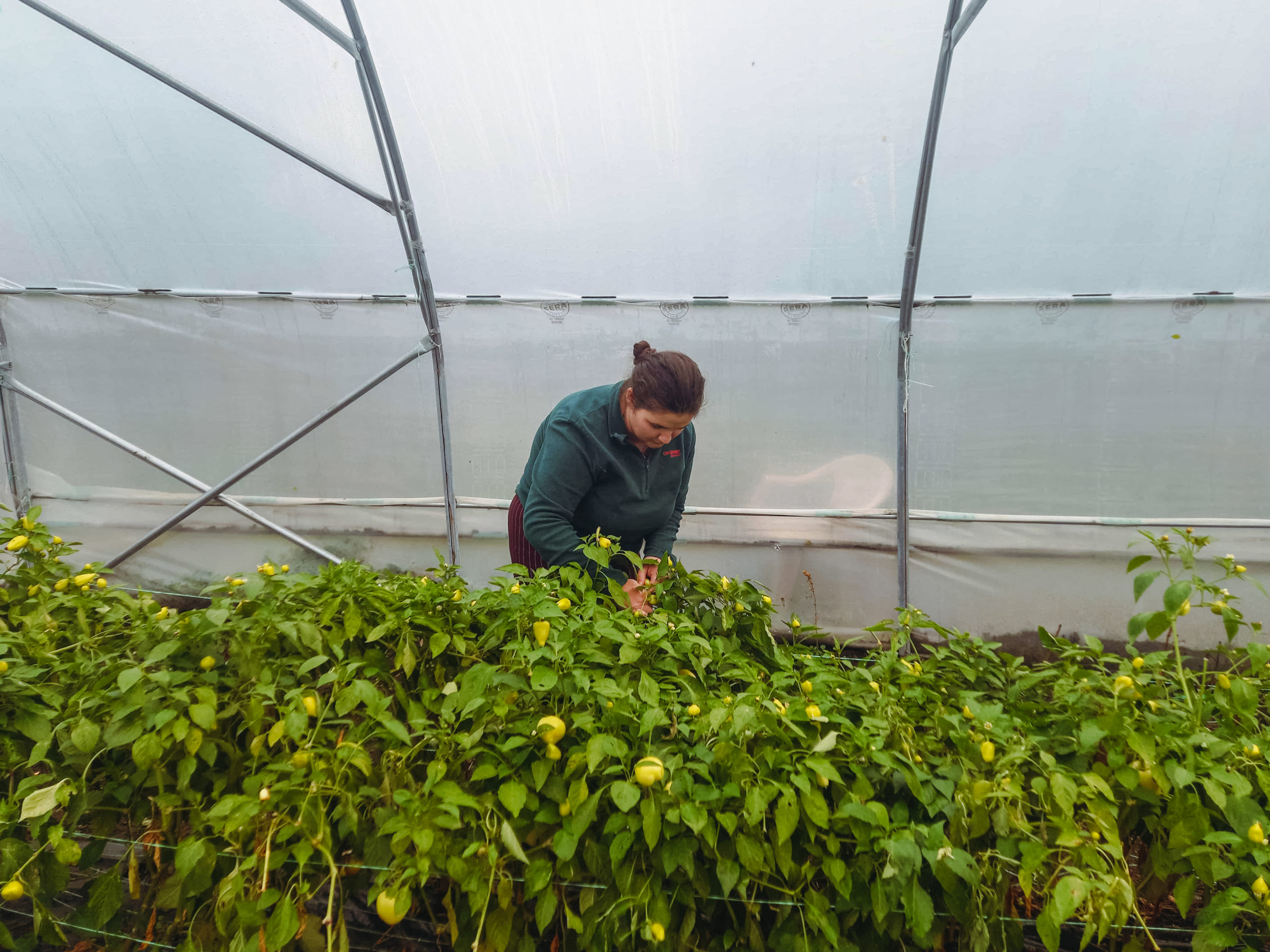
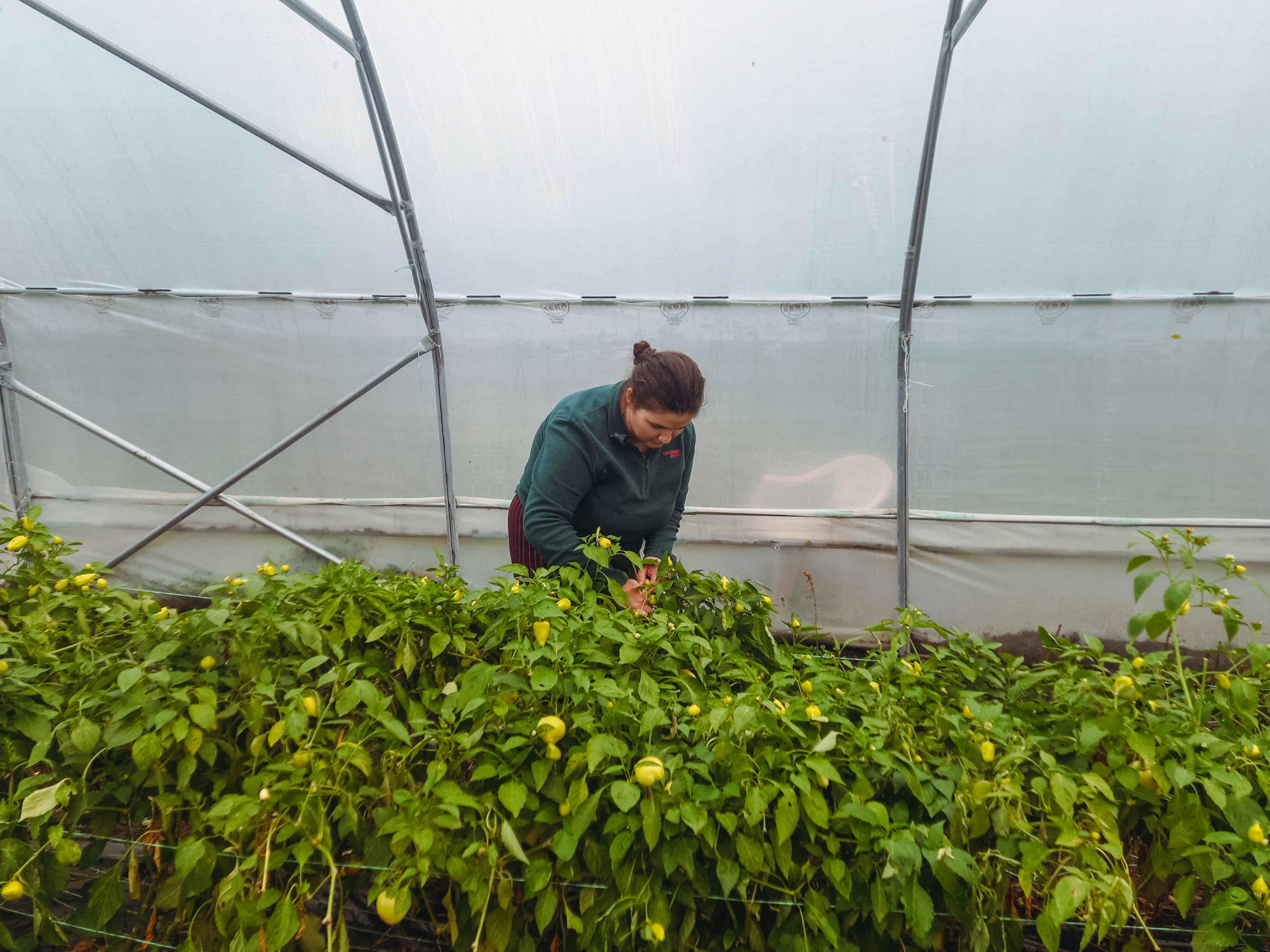
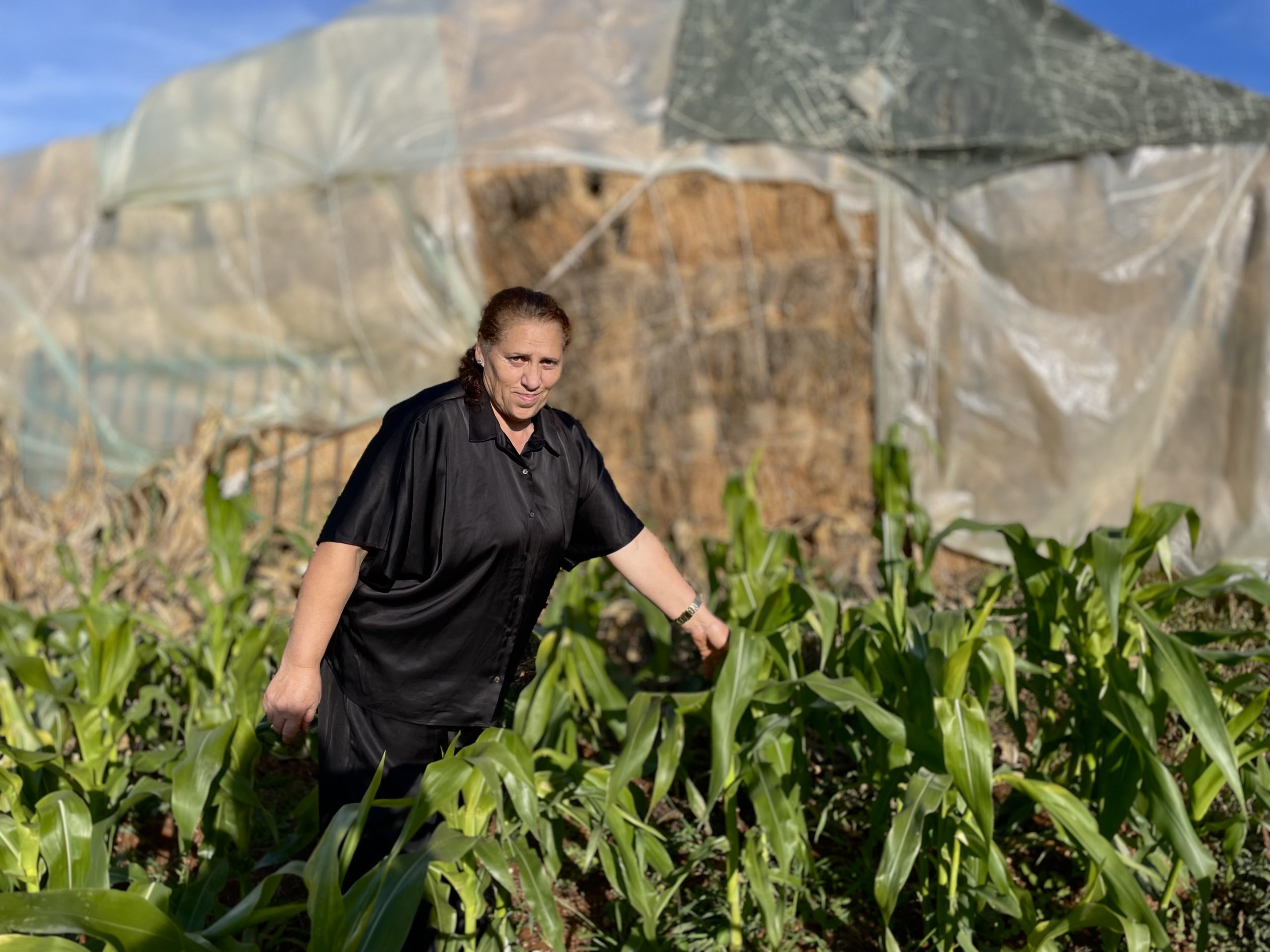
The courtyard of her house in the village of Medvece/Medvec, in the northern part of the Lipjan/Lipljan municipality, is a familiar daily sight for Shpresa Hajdini, a 42-year-old from the Ashkali community. For more than two decades, this is where she spends most of her day, tending to her daily chores and commitments.
Since she got married at the age of 22 in this village, Shpresa begins her summer mornings at 5 a.m. in this yard, where every palm of space is familiar to her. And so begins her daily routine – checking and watering the tomatoes, peppers, onions and spinach – giving life to the vegetables.
Although tending to vegetables does not start this early in winter, this season does not diminish her connection to the yard, where she walks constantly, making sure that the vegetables are protected and do not dry out from the cold.
Alongside Shpresa, her four children also help with yard work and farming. This lifestyle began out of necessity, at a time when the family relied on the vegetables they grew themselves to provide daily food.
“At first we didn’t sell vegetables, we just worked in the garden, tended to cows, and so on, because we didn’t have much, just enough for the house,” Shpresa recounts. Standing next to her is her daughter, Arlinda, who recalls that she has been involved in this activity since her early childhood, just like her mother.
“We’ve had our grandfather since childhood, he’s been involved with livestock and trees, especially with the garden,” explains Arlinda.
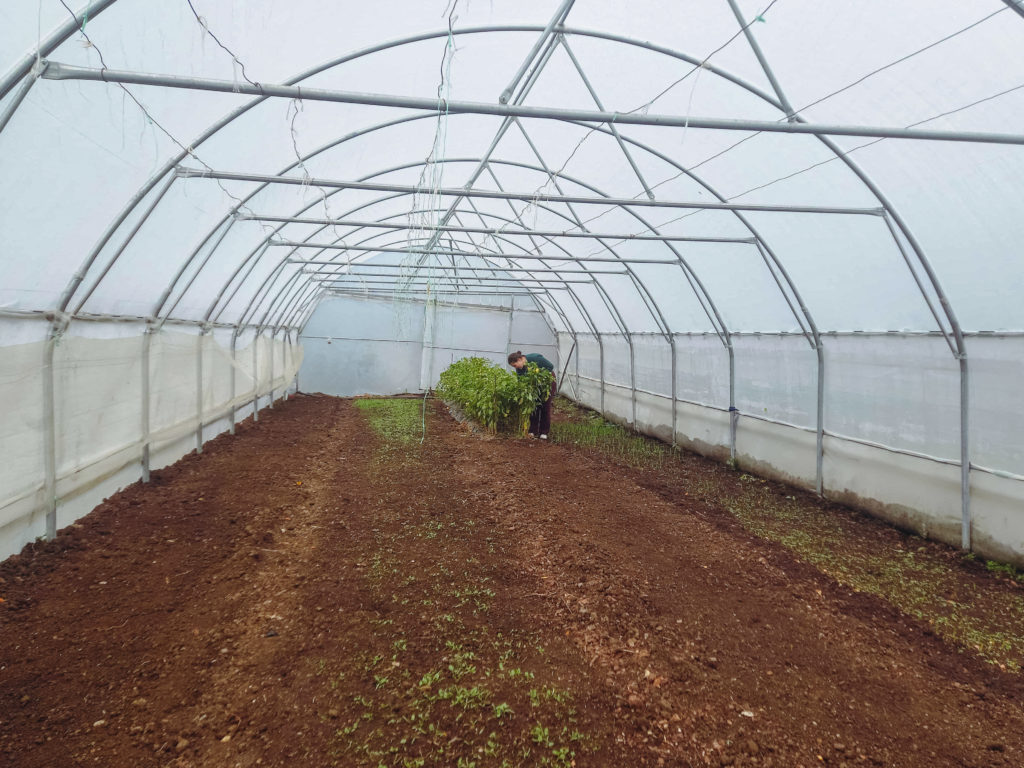
Photo: Arlinda Hajdini
“Since childhood, we’ve been told to plant things, and in the meantime, we’ve taken on the job of how gardening works, how to plant tomatoes, how much water they need, now in general, we do gardening as a family.”
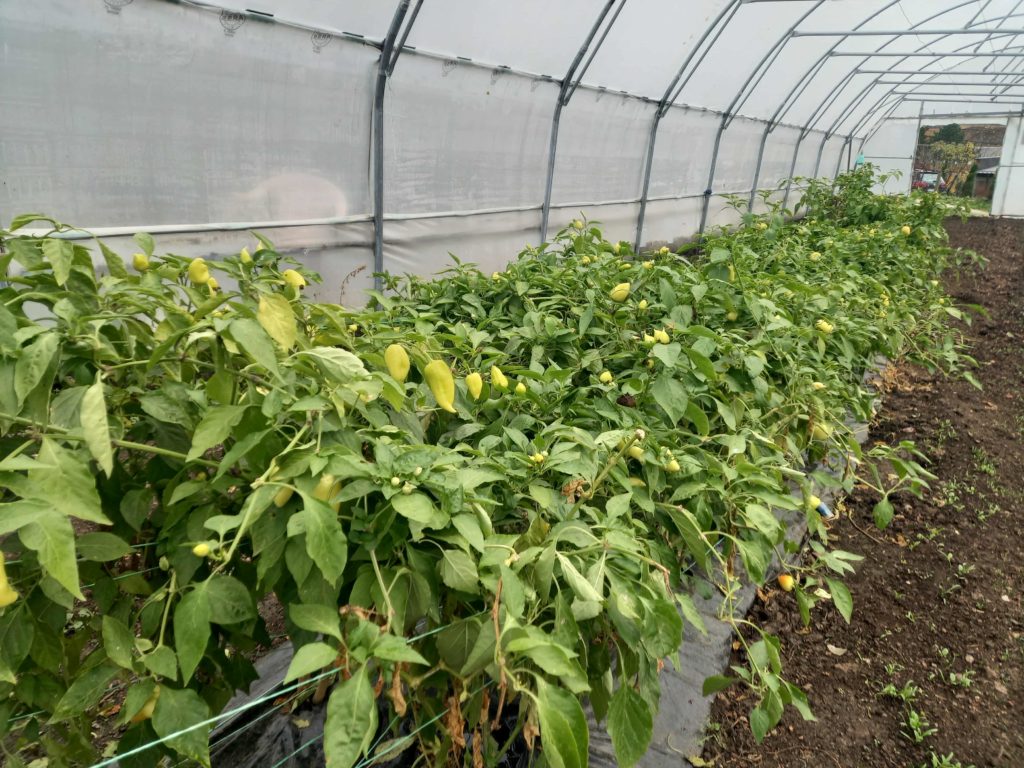
This has today become a way to keep the family more financially secure, because the greenhouse allows for vegetables to grow faster, better and safer, as the sunlight is distributed evenly. Thus, these vegetables nowadays are not only used for the family’s needs, but can be sold, becoming an additional source of income.
“My father and my siblings go out, sell tomatoes in the market. In the past, we used to go out with a cart to sell because we didn’t have the means. My mother has health problems, my brother is in school, my sister and I work. I’m 20 years old and she’s 19,” explains Arlinda. “We work in shifts and in the afternoons we work in the garden. My father and my siblings go to the market. As much as we work here, we have a secure income, from 20 to 50 euros a week working at home – we work when we want and we rest when we want.”
Women’s work in agriculture has historically been invisible and undervalued, often categorized as family help rather than as a genuine economic contribution. This type of work, usually performed without a contract, regular pay, and institutional recognition, remains outside of official statistics and public policies.
As a result, women working in agriculture rarely benefit from subsidies, social protection schemes, or rural development programs, despite their essential role in food security and household economy.
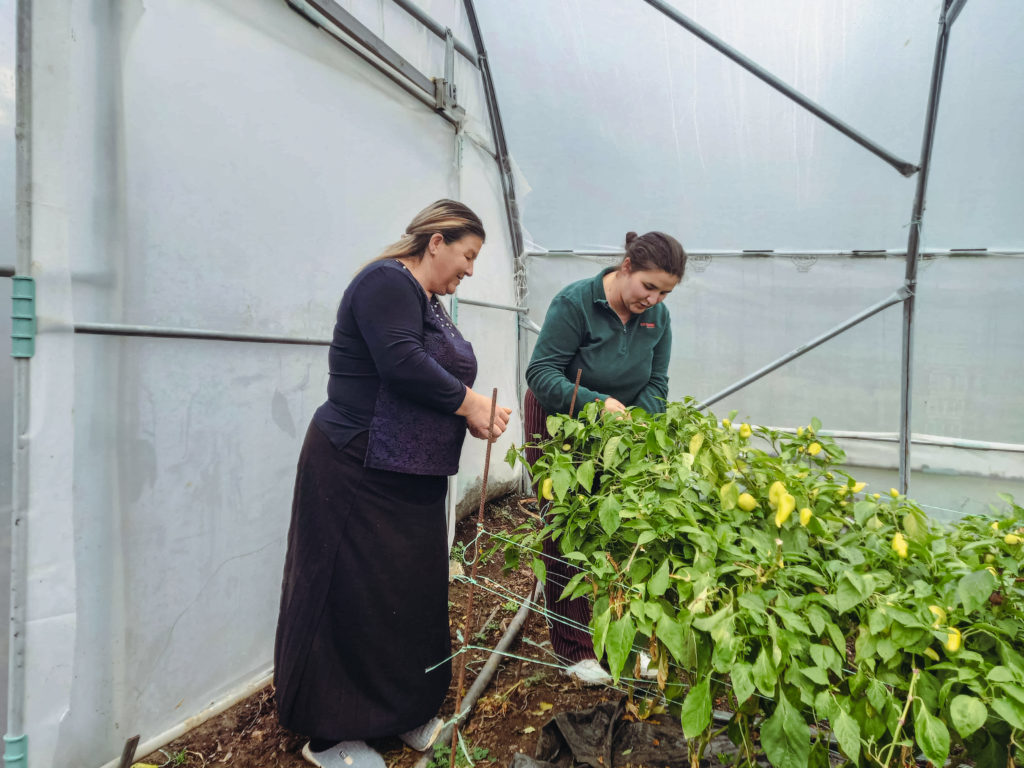
Photo: Shpresa Hajdini dhe Arlinda Hajdini
This inequality is even more profound in the case of women from the Roma, Ashkali and Egyptian communities, where gender inequalities are intertwined with ethnic and socio-economic ones. As a result, their work not only remains invisible to the state, but also undervalued in the market, leaving them to rely mainly on individual efforts for survival and excluding them from the structural benefits of economic development.
Invisible in numbers
The exact number of women from the Ashkali community, to which Shpresa and Arlinda belong, as well as women from the Roma and Egyptian communities who are engaged in agriculture, is not accurately documented in Kosovo.
The Kosovo Agency of Statistics – KAS does not possess this data either.
“In agricultural statistics, which we produce according to international standards (Eurostat), it is not required to produce agricultural statistics by ethnicity,” says the KAS response, which emphasizes that special surveys should be designed for this purpose.
Arlinda Zaimi, Project Manager at the Jahjaga Foundation, finds this situation worrying, arguing that the lack of this data directly affects the way public policies and subsidy programs are drafted.
Without specific information on the number and needs of women from the Roma, Ashkali and Egyptian communities involved in agriculture, targeted and effective measures for economic support cannot be designed, says Zaimi.
“This often leads to general programs that do not address the real barriers these women face, such as lack of access to property, financing, markets or education, and as a result their potential remains untapped,” she argues.
The lack of this data often presents an obstacle for the GAP Institute, which aims to improve public policies and decision-making in Kosovo through research and analysis, explains Anisa Zogaj, a researcher at this institute.
Consequently, during their work they are forced to combine different research methods, including comprehensive surveys, focus groups and interviews, through which Zogaj and her colleagues try to create a more accurate picture of the challenges faced by women-owned and ethnic minority-owned businesses.
“As we point out in several of our reports, the lack of detailed statistics by gender and ethnicity hinders the design of targeted and effective policies, hides the structural inequalities these women face, and limits the ability of institutions to address their specific barriers, such as access to finance, agricultural subsidies, training, and technical support,” says Zogaj.
Although there is no specific data on the number of women from the Roma, Ashkali and Egyptian communities engaged in this activity, nor on the percentage of agricultural land owned by women from these communities, the research “Strengthening Financial Support for Women-Owned and Ethnic Minority Businesses in Kosovo” conducted by the GAP Institute shows that the inclusion of businesses owned by women and ethnic minorities in Kosovo remains significantly low.
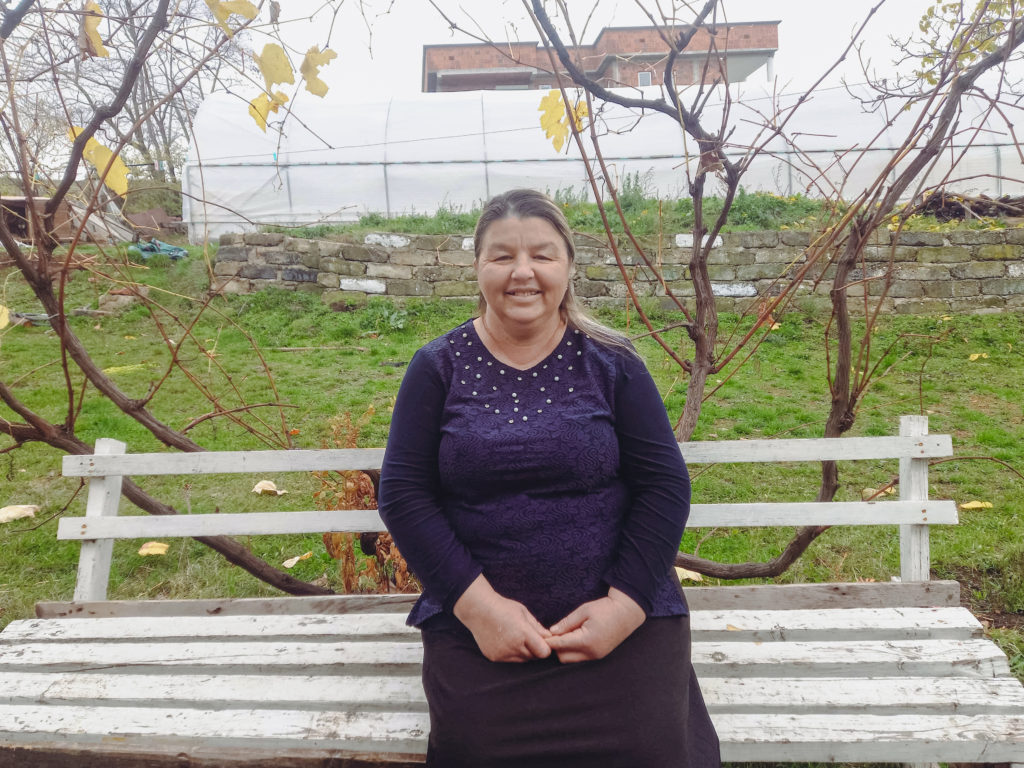
Photo: Shpresa Hajdini
According to this survey, conducted by the GAP Institute, of 757 businesses, only 20% of women-owned businesses and 23% of businesses owned by ethnic minorities have benefited, throughout their entire activity, from at least one form of institutional support, whether central, local or through non-governmental organizations.
“According to the GAP survey, only 7% of businesses owned by women and 8% owned by ethnic minorities have benefited from any kind of support from the central level. Based on official data, women received, on average, only 12 percent of subsidies under the Ministry of Agriculture, Forestry and Rural Development’s schemes during the period 2018–2024, the institute’s findings indicate.
The organization “Voice of Roma, Ashkali and Egyptians” – VoRAE, describes these data as worrying, saying that this survey clearly shows that the current system of financial support is not reaching those who need it most.
“When only such a small percentage of women and ethnic minority businesses manage to benefit, it indicates that structural barriers exist — whether due to lack of information, difficult access to documentation, or criteria that do not reflect the realities of communities,” says VoRAE.
The organization views this situation as an urgent need for more inclusive policies, more transparent mechanisms, and direct support that provides equal opportunities for women and ethnic minorities to develop their businesses.
Despite not possessing any specific data on women engaged in agriculture, VoRAE considers it to be a sector where women from the Roma, Ashkali and Egyptian communities already contribute, often without being recognized and supported sufficiently.
“For us, it is vital that they have more support – whether through subsidies, training or market access – because this not only promotes their work, but also strengthens the role of women as carriers of local economic development,” says VoRAE.
“Supporting agriculture is a concrete way of breaking the cycle of poverty, increasing economic independence, and showing that women from these communities are an active part of the country’s development,” the organization adds.
Nita Ferizi Sadiku, a women’s rights activist and project manager at EcoKosWomen (EKW), a non-governmental organization working to promote social progress in agriculture, the environment, and socio-economic development, has been engaged for many years in supporting and empowering women in agriculture.
In her experience, Ferizi Sadiku observes that women in Kosovo’s agricultural sector play an essential yet often underestimated role, while women from the Roma, Ashkali, and Egyptian communities face additional barriers such as discrimination, limited access to resources, and fear of stigmatization in public and economic spaces.
According to her, women can be more involved in the agricultural sector if they are provided with the right skills.
“Their engagement in the sector can be increased through tailored training within and outside the community, small financial support, mentoring, and the creation of secure opportunities for product sales,” states Ferizi Sadiku.
On the other hand, based on her 15 years of experience working with women from the Roma, Ashkali, and Egyptian communities, Arlinda Zaimi of the Jahjaga Foundation explains that prejudice and stigmatization against women from these communities make it difficult for them to participate actively in society and to take full advantage of the opportunities offered.
When State Support Fails to Reach the Most Vulnerable
For Emina Butiç, a Roma woman from the village of Livađe/Livagjë in Gračanica/Graçanicë, agriculture has been a part of her daily life for 19 years. Activities such as planting garlic, potatoes and onions, as well as cultivating broad beans have long been on Emina’s to-do list, as she farms with her husband, Seadin.
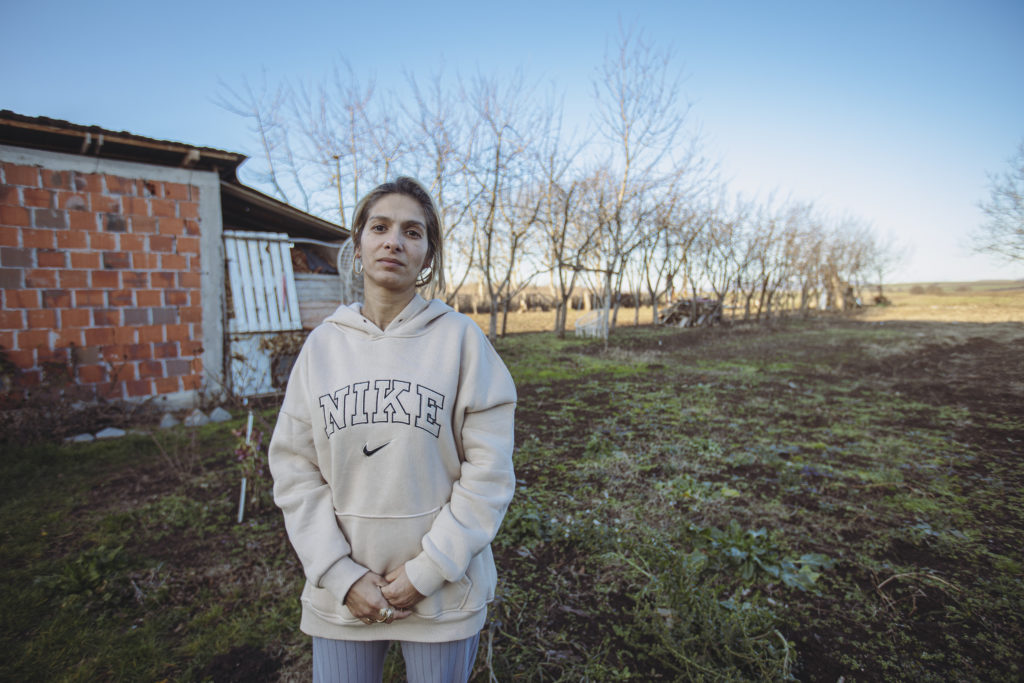
Photo: Emina Butiç
Although each of these vegetables requires special care, Emina does not single out any vegetable as a favorite to cultivate, as almost two decades of work have made it routine and less exciting for her.
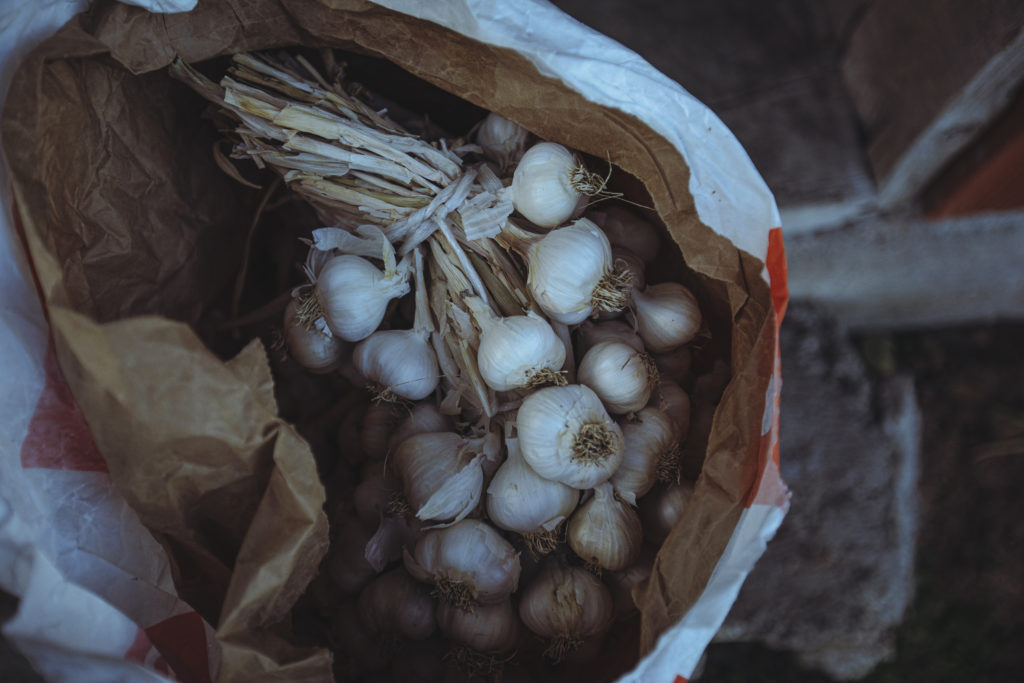
“In the past years we have worked with potatoes and beans, but beans require a lot of work and are hard work. Meanwhile, potatoes do not yield much profit, garlic is the same, while onions require as much work as garlic,” explains Emina, who says that at the moment she and Sead are more focused on the production and sale of garlic.
Elizabeth Gowing, co-founder of the non-governmental charity “The Ideas Partnership”, notes the need for Kosovo to have better food security and not rely on imports.
“It makes no sense to import tomatoes from Macedonia. I recently bought garlic that came from China, all the way from China! This shows that we need to create incentives for people to work with these products. But we also need to be smart.”
In her commitment to agriculture, Shpresa remains loyal to natural products, not using pesticides and hormones in the vegetables she cultivates.
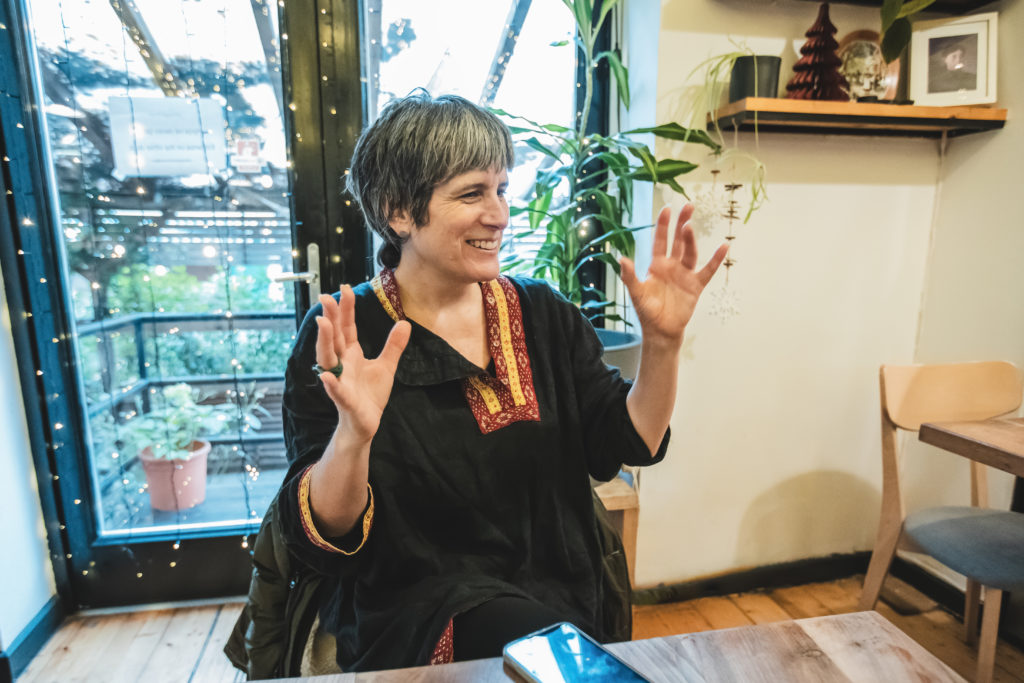
Photo: Elizabeth Gowing
“You can sell onions every week or every two weeks. When they are good, you feel joyful selling them. When we sell tomatoes and peppers at the market, they’re free of any chemicals or artificial bitterness, even when we pickle them,” Shpresa smiles as she tells us.
With pride growing in every word and gesture, she remembers the time when her dedication to work turned into joy and a better life for her children.
“You’re happy when you see the work, you’re happy that your hard work hasn’t gone to waste, you’ve done your job, you should be proud of reaping the good, what you can reap and support the family, it’s the sales, it’s the profit…,” adds Shpresa.
Emina and her husband also sell vegetables, and they go to markets in different cities in Kosovo every day to sell their products.
Although garlic doesn’t weigh down Emina’s pocket more than other vegetables, the lack of a tractor and a multi-cultivator make each season more expensive and tiring.
“The expenses are for the tractor, for ploughing, they amount to 180 euros,” explains Emina.
“It would be nice to have a cultivator, it would suffice, because it would do the ploughing and we’d do the harrowing and we’d be able to do the planting immediately. If I had a trailer, I could do the transportation myself, little by little, and not have to pay someone else,” she adds.
Lack of knowledge and language difficulties have been among the main barriers that have prevented Emina and Sead from applying for subsidies and other assistance from local and central institutions.
“We haven’t applied, we’re not informed. Many people come to our house, they’ve heard that we’re working, they tell us they want to help us, they come and check on the situation and we never hear from them again. The problem is that I speak well, but I don’t know how to read much in Albanian,” says Sead, who completed school in Serbian, while his native language is Romani.
Dafina Millaku, author of the agricultural show “Fara” on Tëvë1 and Assistant Professor at the Faculty of Agriculture at the University of Pristina, notes that the main barriers preventing women from these communities from benefiting from agricultural subsidies include the lack of formal documentation, such as land ownership, as well as complicated administrative procedures.
According to her, the active involvement of women from the Roma, Ashkali and Egyptian communities in policy-making would be an important step towards a more just and sustainable agriculture.
“As a recommendation for public institutions, I would emphasize the need for more comprehensive policies, based on data disaggregated by gender and ethnicity, simplifying subsidy procedures, providing accessible information, and investing in agricultural education and advisory services,” recommends Millaku.
Arlinda Zaimi from the Jahjaga Foundation explains that the lack of knowledge, skills, technical training and institutional support prevents women from the Roma, Ashkali and Egyptian communities from being able to transform agriculture from subsistence to a sustainable source of income.
“Many of them are part of social assistance schemes and live in disadvantaged conditions, with limited access to formal education, financial services, agricultural land, and basic needs such as adequate food, housing, and healthcare. These challenges make them more vulnerable and hinder their participation in economic development, forcing many to rely primarily on individual efforts to make a living.”
The Ministry of Agriculture, Forestry and Rural Development (MAFRD) explains that it has not conducted specific research on the level of support for women according to ethnic communities because, as the ministry notes, its support programs do not include criteria segmented by community and the data collected do not enable such an analysis.
Therefore, the guiding principle, MAFRD says, is the equal treatment of all applicants.
Making women’s work visible in the market
Unlike Shpresa and Emina, 28-year-old Bellma Mehmeti from the Roma community, who lives in the municipality of Gračanica/Graçanicë, grows vegetables, but does not sell them, as the profit from them is only enough to feed her 12-member family.
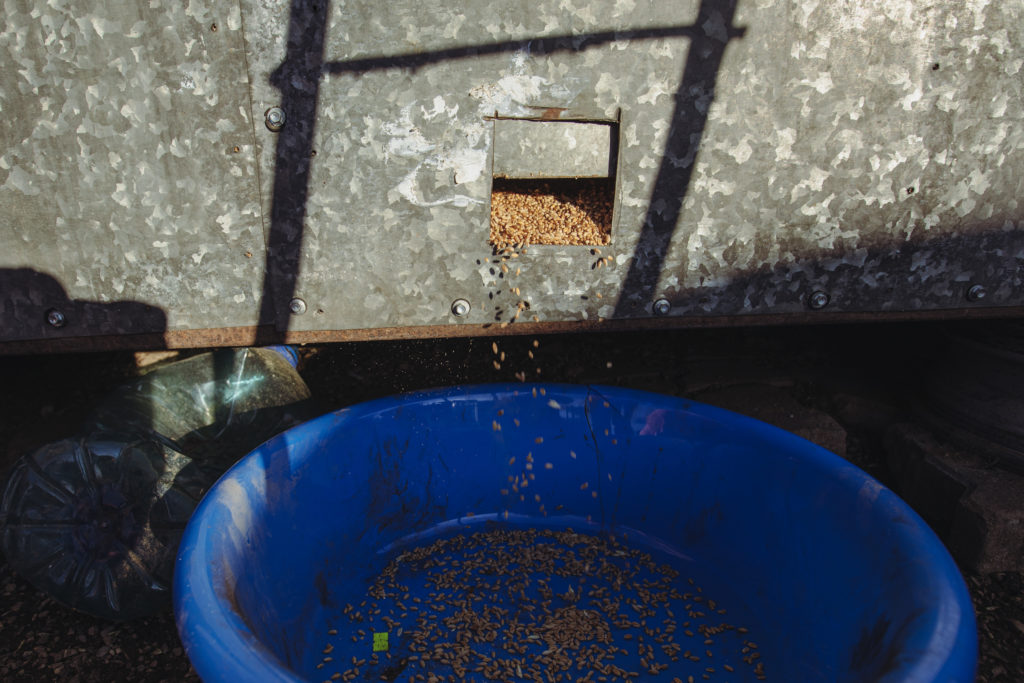
Bellma has been involved in agriculture since the age of 11. Over the years, she has grown various types of vegetables, but today working with tomatoes remains her favorite activity. As Bellma herself shows, this activity is less laborious compared to others, since the lack of machinery, which forces them to work the land by hand, makes farming a difficult activity.
On the 22 acres of land, Bellma is also engaged in farming with her mother-in-law and father-in-law, who cultivate spinach, peppers, eggplants, cucumbers, leeks and onions to feed the family. In addition to farming, Bellma is also involved in daily family activities.
The changing seasons and constant temperature fluctuations make working in agriculture even more difficult for Bellma. She experiences these changes directly on her shoulders, as working with the land requires constant confrontation with weather conditions. According to her, summer remains the least arduous season, as the stable weather somewhat facilitates the process of cultivating and caring for vegetables, compared to other more unpredictable seasons.
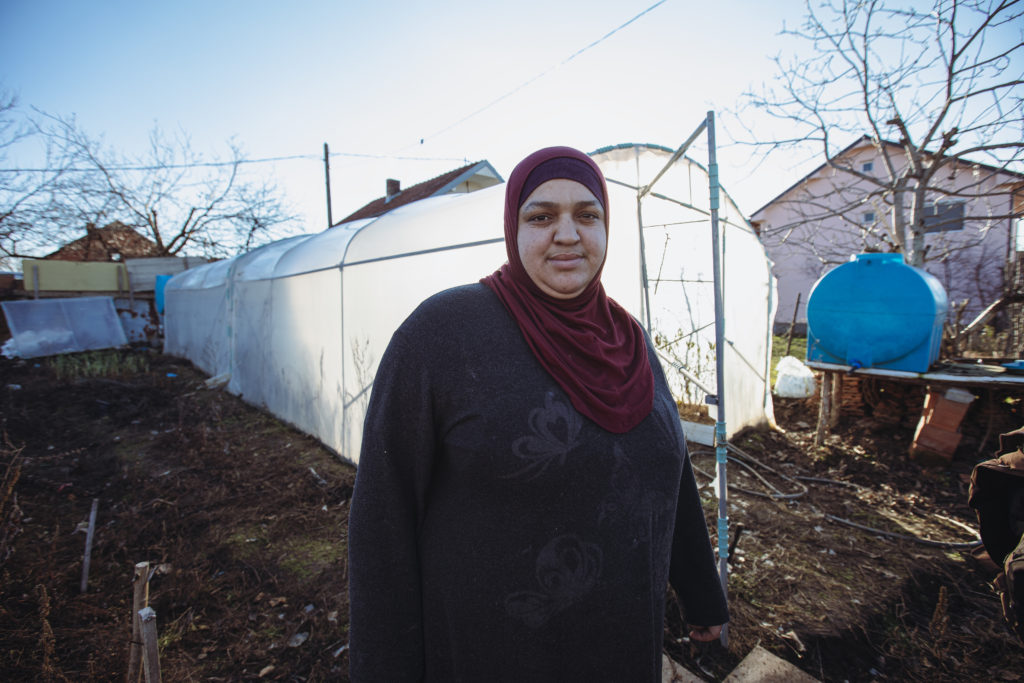
Photo: Bellma Mehmeti
“In the summer, it’s easier, the children play outside, they are carefree and our day goes by,” says Bellma with a smile, glancing at the yard where she has spent her summer days for nine years since she became part of this family.
“I work for an hour and a half, my mother-in-law works more, she gets up at 5 in the morning, they work hard. While I work, they (mother-in-law and father-in-law) already do the chores. Both in summer and winter, they work like this until it becomes hot,” explains Bellma as she talks about her daily life.
From her academic and professional experience in the field of agriculture, Dafina Millaku describes that the agricultural work of women from the Roma, Ashkali and Egyptian communities takes place mainly within the framework of the family economy, often in informal conditions and without employment contracts.
“They face numerous challenges, such as lack of land ownership, limited access to finance and subsidies, lower levels of formal education, social discrimination, and lack of information about support programs,” she explains.
Millaku adds that the double burden of agricultural and domestic work makes their economic advancement difficult.
However, she observes that universities and faculties of agriculture should have a more active role because they can serve as bridges between science, technology and women farmers.
According to Millaku, this could be achieved through field projects, student internships in marginalized communities, demonstration days, and collaboration with non-governmental organizations and municipalities. Such measures would help ensure that scientific knowledge does not remain confined to the classroom, but is applied in real-world settings to benefit communities.
According to the Ministry of Agriculture, Forestry and Rural Development (MAFRD), the Strategy for the Advancement of the Rights of the Roma and Ashkali Communities in the Republic of Kosovo 2022–2026, together with its Action Plan 2022–2024, represents the continuation of state policies aimed at building a multi-ethnic society and guaranteeing the rights and equality of every citizen.
According to the Ministry of Agriculture, Forestry and Rural Development (MAFRD), within the European Union Framework for Roma Integration the five main areas of action defined are education, employment and social welfare, health, housing, and combating discrimination. However, the ministry emphasizes that agriculture and rural development are not included in this strategic document, and thus are not specifically addressed within that framework.
On the other hand, Gowing views it as essential that agriculture be seen as a business and that women should be supported to produce what brings the most value and profit, not just what is missing from the market.
“That’s why we, for example, work with kale and cilantro, because telling a woman who has never done business before that she should become a tomato farmer just because Kosovo needs tomatoes is very unlikely to lead to great financial success. She will most likely produce a few tomatoes and sell a few,” explains Gowing.
“But if we want to be really smart, we need to look at the entire value chain and ask which products offer the best return and help diversify the market, like kale and other vegetables,” she adds.
She says women farmers need partnerships with businesses, especially restaurants, so that their products have a steady buyer. According to Gowing, this helps them avoid the risk of producing without knowing whether the goods will sell.
“There is a lot that can be done, both from a patriotic and environmental point of view, to support Kosovar farmers and producers – and if they are women producers, that would be even better. Perhaps supermarkets could have a symbol that indicates if the product was produced by a woman, so that we can choose and buy it consciously”, Gowing suggests.
_____________________________________________________________________________________________________________

This article was written and published with the financial support of the European Union. The content of this article is the sole responsibility of QIKA and under no circumstances should it be considered to reflect the views of the European Union.


St. Hajdar Dushi C2
Entry 2, No. 6
Pristina 10000
Kosova
+383 45 230 205